

Tree & Plant Health Evaluation
On-site evaluation of visible symptoms, growing conditions, root-zone concerns, and other factors that may be affecting tree or plant health.

Omaha Tree & Plant Care
Healthy trees and plants start with understanding what is happening above ground, below ground, and in the soil around them. The Tree Daddy takes a diagnostic, health-first approach, including proactive seasonal pest monitoring when timing can make the difference between getting ahead of a problem and reacting after damage is already underway.
When a tree or plant is struggling, the visible symptom does not always tell the whole story. Aaron looks at the plant itself, the surrounding soil, the root area, and the conditions around it to better understand what may be affecting its health.
When more information is useful, soil testing and third-party tissue testing can provide additional data to guide the recommendation. The goal is simple: understand the problem first, then choose a practical path forward.
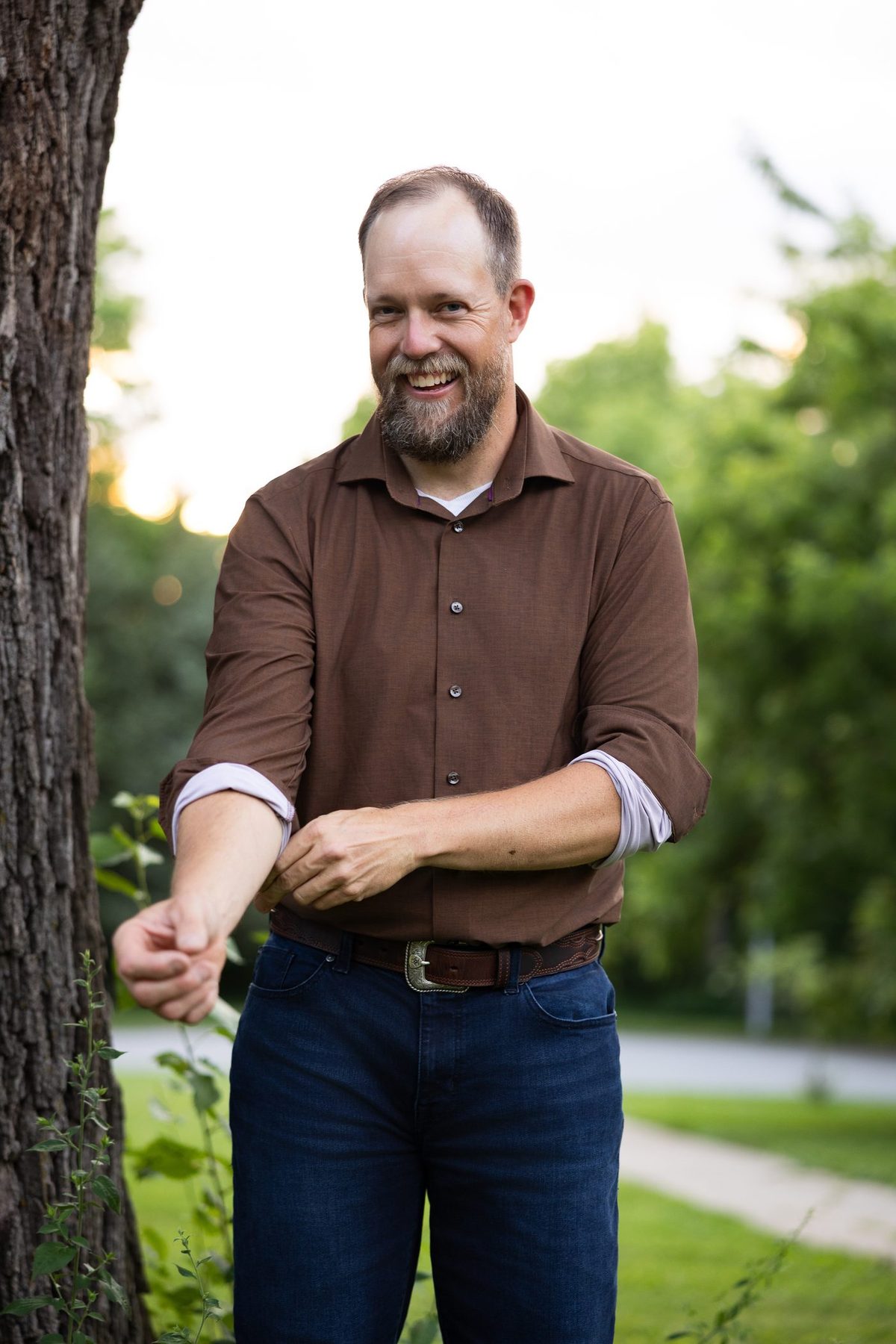
Practical diagnostics and care focused on the long-term health of what is growing.
On-site evaluation of visible symptoms, growing conditions, root-zone concerns, and other factors that may be affecting tree or plant health.
Soil testing can help provide useful information when soil conditions may be contributing to poor growth, stress, or other plant-health concerns.
When needed, plant tissue can be submitted for third-party testing to provide additional information before deciding on the best course of action.
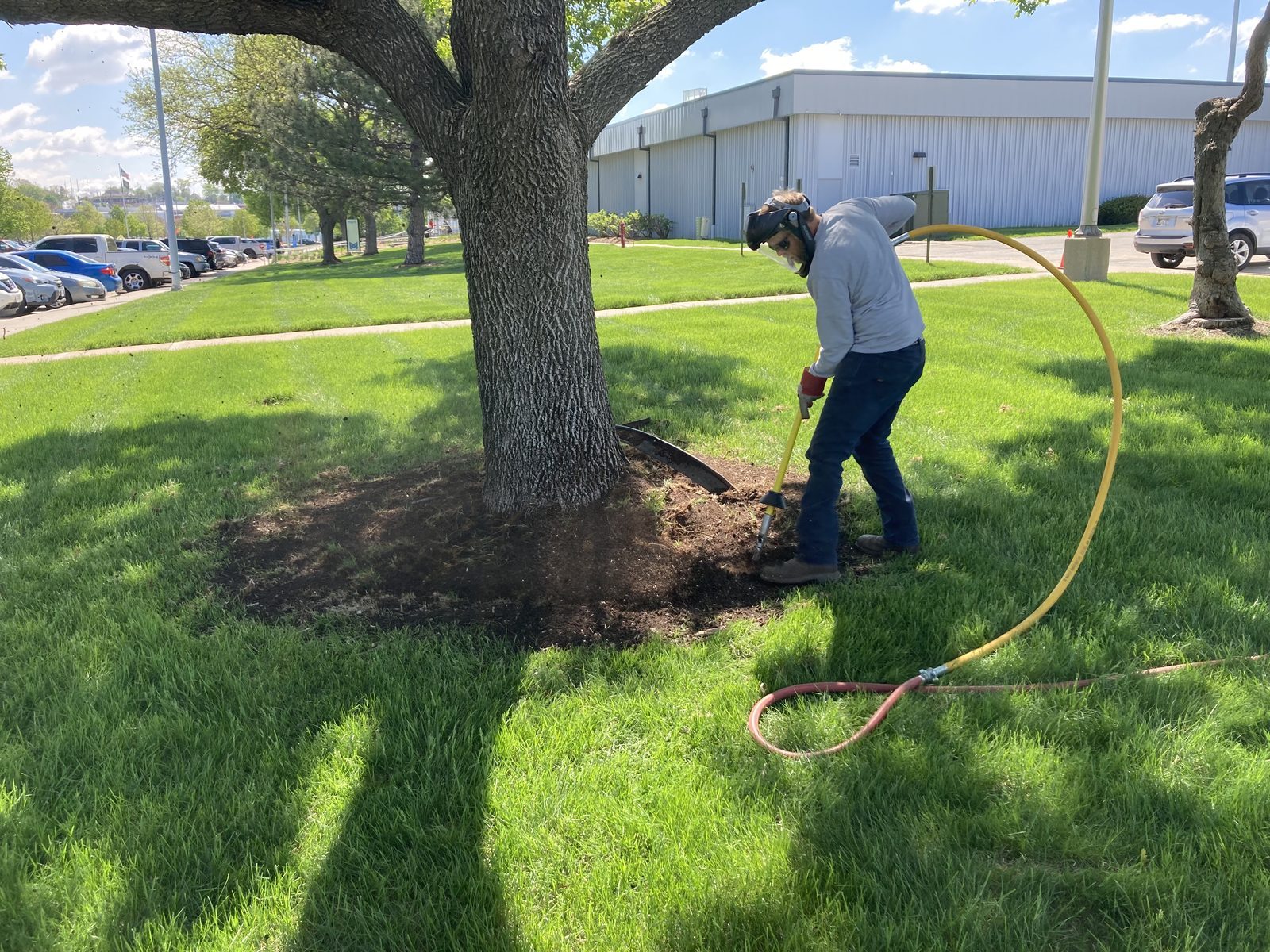
Careful excavation around the base of a tree helps expose and evaluate the area where the trunk transitions into the root system.
Selective pruning from the ground to improve structure, appearance, clearance, and overall tree or plant care within Aaron's service capabilities.
Proactive monitoring for seasonal insect pressure, with targeted treatment when appropriate. Catching the right pest during the right treatment window can make management more effective and help reduce avoidable plant stress.
Not every situation needs a complicated treatment plan. Aaron explains what he is seeing, what may be contributing to it, and what makes sense to do next.
Proactive Seasonal Pest Care
Proactive pest care does not mean treating everything on a calendar. It means knowing what to watch for, when a pest is most vulnerable, and acting during the window when treatment can do the most good.
Bagworms are a good example: control is most effective while the larvae are still small in early summer, before mature bags make treatment much less effective. Other seasonal pests, including Japanese beetles, can also build quickly once feeding begins. Monitoring and early action can help reduce plant stress and keep a manageable problem from becoming a much larger one.
The goal is targeted care at the right time, not unnecessary treatment.
A Thoughtful Diagnostic Process
A tree health evaluation is about more than identifying a symptom. Aaron looks at what is happening, considers the overall health of the tree or plant and its growing conditions, and helps separate what needs attention now from what can simply be monitored.
Look closely at visible symptoms, the root zone, soil conditions, and the surrounding growing environment.
Use the findings—and additional soil or tissue testing when useful—to better understand what may be driving the concern.
Separate what needs action from what can be monitored, then recommend a practical next step based on the tree or plant.
A Closer Look Below the Surface
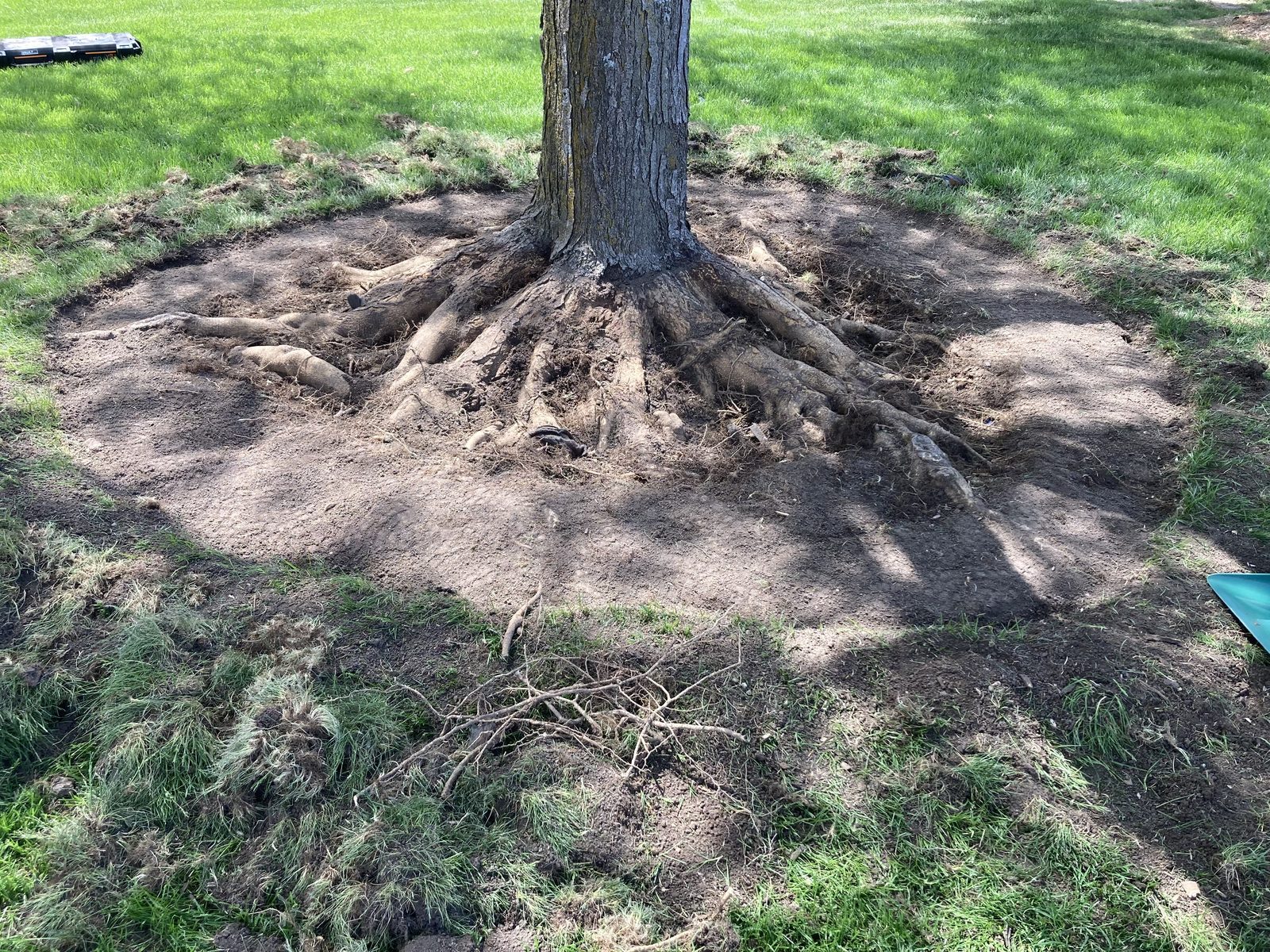
The base of a tree can reveal important information about how it is growing. Root collar excavation gives Aaron a clearer view of the trunk-to-root transition and the conditions immediately around it.
That closer look can be useful when evaluating trees with buried root flares, excess material around the trunk, or other concerns at the base of the tree.
Removing the guesswork is a recurring theme in Aaron's approach. Whether the concern is at the roots, in the soil, or showing up in the leaves and canopy, the goal is to gather enough information to make a thoughtful recommendation.
Practical Tree Care Basics
Aaron shared several of the same fundamentals he uses when helping customers care for new and established trees. These are useful starting points, but site conditions still matter.
During the first 2-3 weeks after installation, water at the base with a hose rather than relying only on a sprinkler system. New plantings need extra attention while roots establish, and moisture needs can change with wind, temperature, soil structure and foliage.
Proactive pruning can help develop stronger structure while branches are still smaller and easier to manage. Common targets include competing leaders, crossing or crowded branches, weak attachments, suckers, water sprouts, and broken or diseased growth. The goal is to address small structural concerns before they become larger problems, not simply to remove branches.
Keep the trunk flare visible, remove containers and wrapping materials, and set the root ball on firm soil so it does not settle too deeply. When staking is necessary, flexible ties should still allow some trunk movement.
A 2-4 inch mulch layer can help conserve moisture and protect the root zone, but mulch should stay away from the trunk and root flare. Piling mulch against the trunk can create problems instead of preventing them.
These are general care guidelines from Aaron's educational materials. Tree species, soil and site conditions can change the right approach.
Not sure what’s going on? Call Aaron for an evaluation and clear next steps.
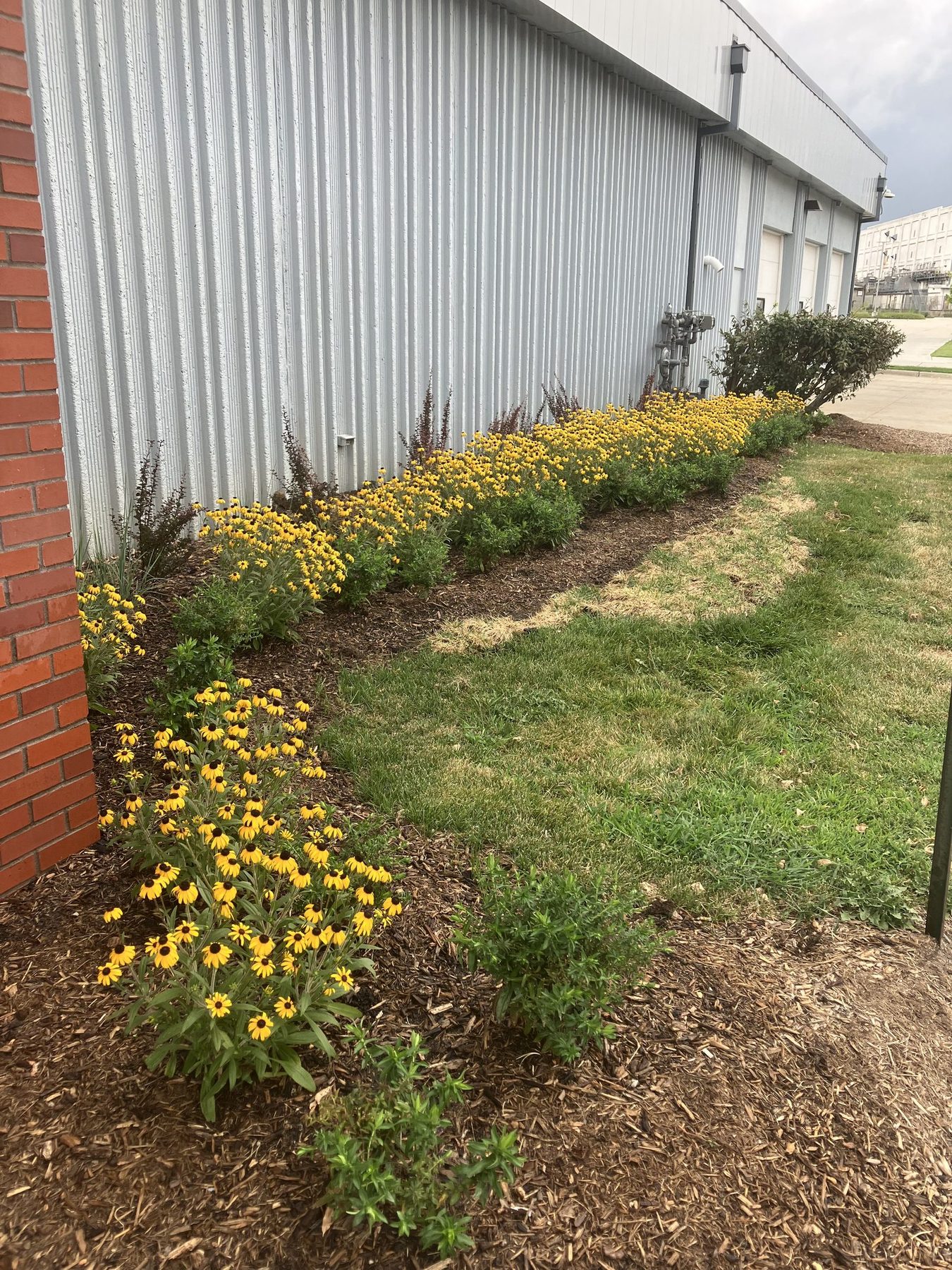
Aaron can help identify the issue and recommend the right next step.
📞 402-750-6511 (text/call)
thetreedaddyneb@gmail.com